Source Bpa Free Disposable Vacuum Sealer Bags for Food
Source bpa free disposable vacuum sealer bags from verified manufacturers in China. Compare 30 products featuring moisture-proof and puncture-resistant designs for food and household applications. Options include plain and embossed styles with customizable sizes; compare the available evidence and request quotations based on your requirements.
Key considerations
Products List




Comprehensive Sourcing Guide
Bpa Free Disposable Vacuum Sealer Bags Sourcing Guide
Procuring BPA-free disposable vacuum sealer bags requires careful selection of materials that ensure food safety while maintaining structural integrity during the sealing process. Buyers must prioritize suppliers who explicitly state the use of high-pressure polyethylene or nylon/PE blends, as these materials are standard for creating moisture-proof and puncture-resistant barriers. The absence of bisphenol A is critical for applications involving food storage, ensuring that no harmful chemicals leach into the contents during freezing or heating cycles.
When evaluating listings, buyers should look for specific product models like XH078 or HK-047 that detail their construction layers and thickness ranges. These specifications often indicate the bag's ability to withstand temperatures from -18 to 100 degrees Celsius, a vital feature for both freezing and microwave-safe applications. Verifying that the raw materials are certified as BPA-free is the first step in ensuring the product meets modern safety standards for household and commercial food preservation.
Product Scope and Observed Listing Signals
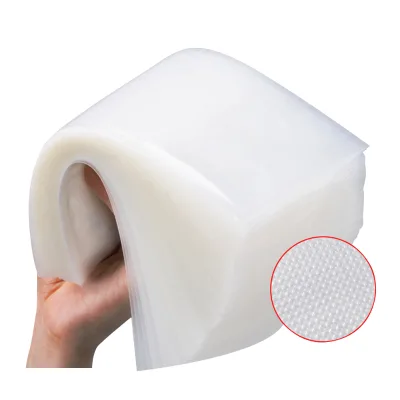
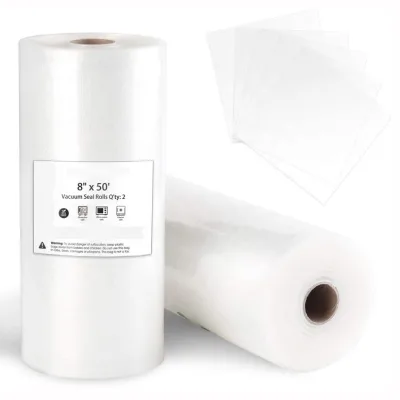
The market for these bags includes a diverse range of varieties, from plain vacuum bags to embossed vacuum savers designed for enhanced grip and air removal. Listings often highlight features such as moisture proofing, recyclability, and bio-degradability, which are essential for eco-conscious procurement strategies. The shape of the bags, whether upright, seal bags, or three-side sealed, dictates their suitability for specific packaging machinery and storage configurations in industrial or retail environments.
Buyers should observe that product origins are primarily located in manufacturing hubs like Zhejiang and Hubei, China, where advanced co-extrusion technologies are prevalent. The observed listing signals include customized bag sizes and thicknesses ranging from 30 to 200 micrometers, allowing for tailored solutions based on the volume and weight of the food items being packaged. Understanding these variations helps buyers match the physical attributes of the bag to their specific operational needs and equipment capabilities.
Technical Specifications to Verify
Thickness and layer composition are the primary technical parameters that determine the durability and barrier properties of the vacuum bags. Specifications often cite a range of 30 to 200 micrometers, with some advanced models utilizing a seven-layer co-extruded structure to maximize oxygen and moisture resistance. Buyers must verify that the specific model, such as HK-VB00058, adheres to these thickness standards to prevent punctures and ensure a reliable seal during the vacuuming process.
Temperature tolerance is another critical specification that defines the operational limits of the packaging material. Products are frequently rated to withstand temperatures between -18 and 100 degrees Celsius, making them suitable for freezing, thawing, and reheating applications. It is essential to confirm that the sealing method, typically heat seal, is compatible with the bag's material composition to avoid seal failures that could compromise food safety and shelf life.
Compliance and Safety Documentation
Ensuring that the vacuum bags meet international safety standards is a non-negotiable aspect of BPA-free procurement. Buyers should request documentation confirming compliance with certifications such as SGS, ISO9001, and ISO14001, which validate the manufacturer's quality management and environmental practices. These certifications serve as evidence that the production processes adhere to rigorous safety protocols, reducing the risk of contamination and ensuring the bags are safe for direct food contact.
In addition to general quality certifications, specific material safety data sheets should be reviewed to confirm the absence of bisphenol A and other harmful additives. The presence of ROHS certification further indicates that the product complies with restrictions on hazardous substances, which is particularly important for exports to regions with strict environmental regulations. Verifying these documents ensures that the supplier maintains a transparent and compliant supply chain that protects both the end consumer and the brand reputation.
Cost Drivers and Commercial Terms
The cost of BPA-free vacuum bags is influenced by the complexity of the raw materials and the number of layers in the co-extrusion process. Premium materials like nylon/PE blends and seven-layer structures command higher prices due to their superior barrier properties and durability. Buyers should anticipate that customized features, such as specific embossing patterns or unique dimensions, will also impact the final unit cost and require a higher minimum order quantity to be economically viable.
Commercial terms often include flexible payment options like T/T or L/C, which facilitate international trade while managing financial risk for both parties. The minimum order quantity can vary significantly, ranging from small batches of 1 unit to large industrial orders of 50,000 units, depending on the supplier's capacity and the customization level required. Understanding these terms helps buyers plan their inventory and cash flow effectively while negotiating favorable pricing structures for long-term supply agreements.
Supplier Qualification and Quality Control
Selecting a qualified manufacturer involves verifying their business history and production capabilities, as many established suppliers have been operating since 2009. These experienced manufacturers often utilize advanced machinery, such as W&H 7-layer co-extruded blow machines, to ensure consistent quality and precise thickness control across large production runs. Buyers should assess the supplier's ability to handle custom orders, including logo customization and specific packing requirements like pallets or cartons, to ensure alignment with their branding and logistics needs.
Quality control processes should be transparent and documented, with suppliers offering third-party testing results to validate product performance. The presence of certifications like QS and ISO14001 suggests a commitment to maintaining high standards in both product quality and environmental stewardship. Buyers should request samples to test the seal integrity and puncture resistance before committing to large orders, ensuring that the supplier's quality control measures meet the specific demands of their application.
Long-Term Procurement Checks
Establishing a long-term partnership requires regular audits of the supplier's ability to maintain consistent product quality and supply reliability. Buyers should monitor changes in raw material sourcing and production standards to ensure that the BPA-free status and barrier properties remain unchanged over time. Regular communication regarding any updates in certifications or regulatory requirements helps mitigate the risk of supply chain disruptions and ensures continued compliance with food safety laws.
Performance metrics such as defect rates and delivery lead times should be tracked to evaluate the supplier's operational efficiency. A reliable supplier will consistently meet agreed-upon delivery schedules and maintain a low defect rate, which is crucial for maintaining production schedules and customer satisfaction. By implementing a robust supplier management system, buyers can secure a stable supply of high-quality vacuum bags that support their long-term business goals and brand integrity.
FAQs
What materials are used for these vacuum bags?
The bags are manufactured from High Pressure Polyethylene, Nylon/PE, and Polypropylene. These materials ensure moisture proof and puncture resistance. Some variants use a Co-extruded 7 Layer Air Blown standard. This composition supports food and household applications while maintaining durability during vacuum sealing processes.
Can I customize the logo and size of the bags?
Yes, customization is available for both logos and bag sizes. The product model allows for customized dimensions and accepts customized logos. Buyers can specify unique requirements to match their branding needs. This flexibility supports distinct packaging identities for various commercial and industrial applications.
What certifications do the vacuum bags hold?
The bags hold SGS, ISO9001, ISO14001, QS, and ROHS certifications. These credentials verify quality and environmental standards. Manufacturers adhere to strict production protocols. The certifications ensure compliance with international safety and quality benchmarks for food and household packaging solutions.
What is the temperature range for these bags?
The bags withstand temperatures from -18 degrees to 100 degrees. This range supports freezing and heating applications. The material integrity remains stable within these limits. This feature makes them suitable for diverse food storage and preservation needs without compromising seal quality.
Where are these vacuum bags manufactured?
The bags are produced in Zhejiang and Hubei, China. Shanghai Port serves as the primary export location. Manufacturers have been established since 2009. This origin ensures access to robust supply chains and efficient logistics for international buyers seeking reliable packaging sources.
What payment terms are accepted for orders?
T/T or L/C payment terms are accepted. These methods provide secure transaction options for buyers. The terms are standard for international trade. This flexibility facilitates smooth financial processing for bulk orders of vacuum sealer bags from verified manufacturers.